Profile picture

The Conversation UK

The latest news and research, analysed by experts.
Newsletters
Donate

The Conversation UK on Instagram

Tap any photo to visit the link
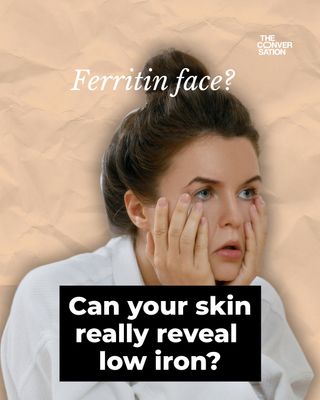
“Ferritin face” is the social media term for the claim that low iron levels leave visible clues on your face – dark circles under the eyes, pale or grey-looking skin. 

Some influencers say raising their ferritin levels transformed their complexion in ways no product could.

But before booking a blood test or buying iron supplements in your quest for better skin, let’s look at the science.

Read the full article via our #linkinbio 

#ferritin #iron #anaemia
carousel
What are the strangest migraine symptoms you’ve heard of? 

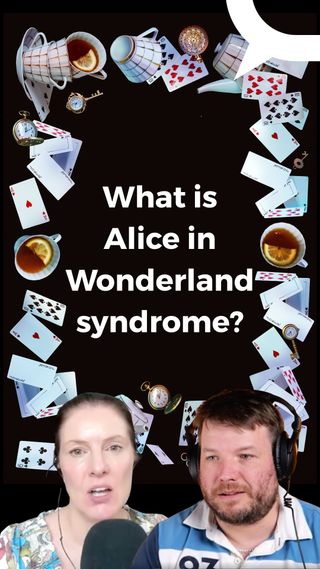
Todd’s syndrome, also known as Alice in Wonderland syndrome, distorts a person’s perception of vision, body size and time. 

Cast your mind back to watching Alice in Wonderland, when Alice eats the sweets and drinks from the bottle and grows bigger and grows smaller, and things start to distort themselves in size and shape.

Some people have this when they experience a migraine. 

Explore the world of migraine by watching our Strange Health episode podcast via our #linkinbio 

#migraine #aliceinwonderlandsyndrome #podcast
video
If you’ve ever had a migraine, you’ll understand the appeal of anything that promises to make it stop. Even when that advice involves attaching hair clips to your eyebrows.

Social media has plenty of suggestions. Some people swear by a large Coke and McDonald’s fries, which has gained the nickname of a “McMigraine”. Others recommend putting your feet in hot water while cooling the back of your head with spoons. Suddenly, managing a migraine seems to require the logistical planning of a spa day, with a takeaway delivery slot.

But how much science is there behind these remedies? And why can migraine make you feel so dreadful long before your head starts hurting?

In this episode of the Strange Health podcast, explore the world of migraine and the online hacks promising relief. 

Listen to the episode for a lively exploration of what happens during an attack, and why understanding your own symptoms can help you make sense of the advice.

You can watch the full podcast via our #linkinbio 

#migraines  #healthtrends  #podcast
video
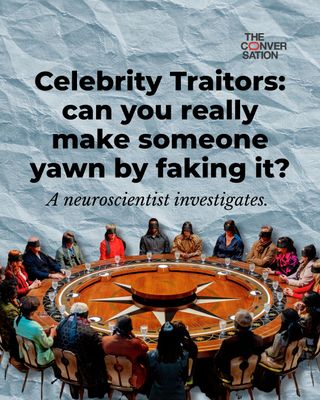
In the BBC reality show The Celebrity Traitors, the Traitors were set an unusual challenge: murder a Faithful by making them yawn. 

Their plan was to bore their target into yawning, then deliver the line “Am I boring you?” to seal the murder.

The task plays on one of yawning’s strangest features: its ability to spread from one person to another. 

Seeing someone yawn can be enough to trigger a yawn of your own, sometimes even when you are not tired. 

But would the same trick work if the yawn were deliberately faked?

A neuroscientist investigated further. 

You can read the article via our #linkinbio 

#celebritytraitors #neuroscience #yawning
carousel
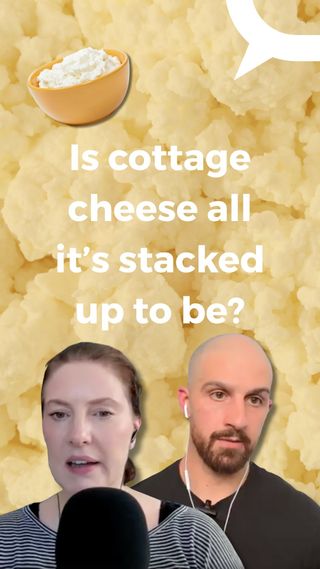
Cottage cheese used to be the sort of food you associated with 1970s diet plans, uninspiring lunches and people who claimed to enjoy eating grapefruit for breakfast.

Now it’s a TikTok sensation.

Social media creators are blending the curdy, clumpy white stuff into everything from cookie dough and chocolate brownies to flatbreads and even slapping it onto hot dogs. Apparently, there’s no recipe that can’t be improved with a generous helping of cottage cheese.

But why has this rather unglamorous dairy product suddenly become so fashionable?

On the Strange Health podcast, Dominic Farsi, a researcher at @lifeatkings, investigates why the evidence behind some of its more extravagant health claims is less convincing than social media would have us believe.

Watch the full episode now and subscribe to our YouTube channel via our #linkinbio 

 #healthpodcasts #protein #cottagecheese
video
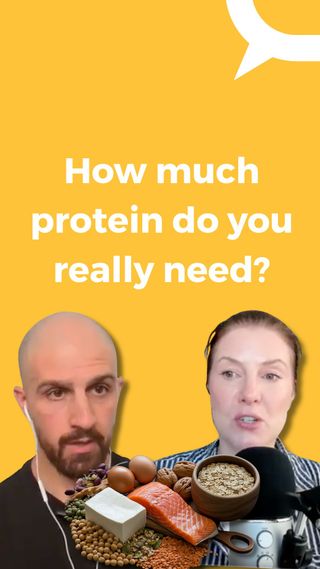
We’re in the middle of a protein boom, with supermarkets filling their shelves with high-protein yoghurts, cereals, puddings and snacks. Even tea, it seems, isn’t safe from the protein treatment.

Cottage cheese, naturally high in protein and relatively low in fat, has been embraced by fitness influencers who claim it can help build muscle and burn fat. But does the science support these claims?

This week’s Strange Health episode is all about ‘proteinmaxxing’ featuring expert Dominic Farsi, alongside co-hosts Katie Edwards and Dan Baumgardt at @universityofbristol 

Watch the first episode now and subscribe to our YouTube channel via our #linkinbio 

#cottagecheese #protein #healthpodcasts
video
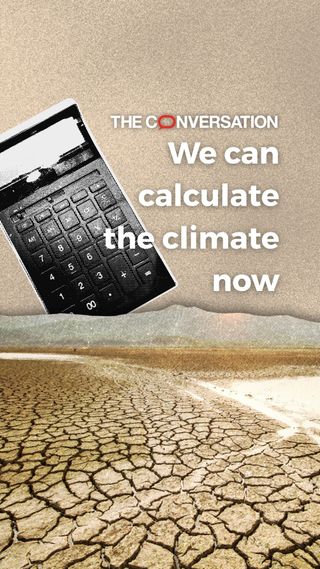
We can finally measure the damage each new coal, gas or oil project will do to people and nature.

The carbon impacts tracer shows how much a new fossil fuel project will warm the planet – and how much damage it will do across eight areas, from loss of crops to heatwave deaths in Europe.

According to climate researcher Sarah Perkins-Kirkpatrick, the tool means we're "entering a new era of accountability."

Follow our #linkinbio to find out more or go to: https://tcnv.link/amYF0MA

#climatechange #fossilfuels #energy
video
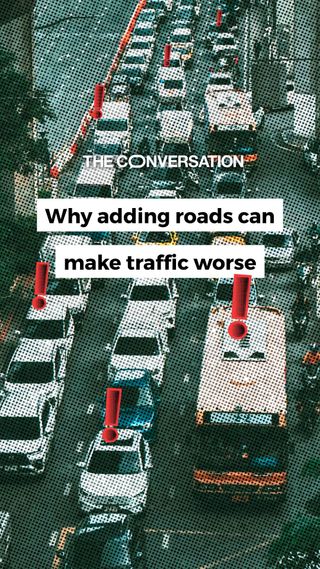
🚗 Tackling traffic congestion is one of the biggest challenges facing our cities. 

One solution almost instinctively comes to mind: build more roads or widen existing ones.

But according to researchers like Milad Haghani, it's not that simple.

Read more via the link in bio or go to: https://tcnv.link/pyW5a6F
video
What do cottage cheese, sunscreen and pimple popping have in common?

They are all heading our way in the new series of Strange Health, the podcast from The Conversation that investigates the odd, awkward and occasionally disgusting questions raised by our bodies and the health trends surrounding them.

We’re back for season two with a new batch of questions that have been bothering them, fascinating them or sending them down unexpectedly strange research rabbit holes.

If you missed the first series, Strange Health takes the things people are talking about, searching for and sometimes doing to themselves, then asks researchers what the science actually says.

And now we want your help.

What have you always wanted to know about your body? Which health claim have you seen online and thought, surely that can’t be right? Is there a habit, symptom or trend you would love somebody to investigate properly?

Send us your strange health questions to strangehealth@theconversation.com. Your curiosity could become a future episode.

Subscribe via our #linkinbio 

#strangehealth #healthpodcasts #healthexperts
video
‌
‌
‌

Latest stories

Silence of the Lambs: Hannibal Lecter makes his stage debut in this...
Not all antihistamines are the same – and some may affect your brain more...
The government has delayed the toughest spending decisions – but here’s what...
Hauntology examines how what happened in the past – and what didn’t –...
Raye’s ambitious Mercury Prize-winning album is a testament to female...
Chemists create disappearing tattoos: here’s the science behind how they work

Latest podcast